Realistic Truck Embroidery Design Review
First Impressions: Charm, Clarity, and Quiet Confidence
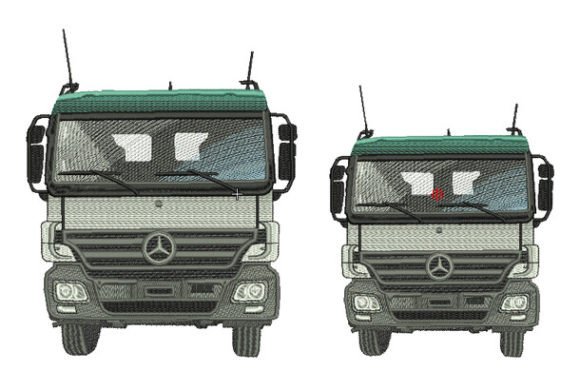
Unzipping the Realistic Truck embroidery file felt like opening a well-packaged sketchbook—no flash, no filler, just clean potential. As an embroidery designer who’s tested hundreds of transportation-themed motifs, I was struck immediately by how grounded and intentional this design feels. It’s not cartoonish or nostalgic—it’s realistic, yes, but also warmly approachable. The lines are confident without being rigid; the proportions balanced, not exaggerated. There’s a gentle sense of motion in the wheel arches and subtle shading that reads beautifully in thread—not overly dense, not sparse. It lands somewhere between classic and modern: timeless enough for a baby blanket, detailed enough for a wedding keepsake apron, and versatile enough to feel fresh on a linen tote or kitchen towel. Emotionally? It evokes quiet pride—think of a child’s first ride-along, a dad’s favorite work vehicle, or a family’s cross-country move. Not flashy, but full of story.
Where Realistic Truck Shines as a Personalized Gift
This isn’t just another machine embroidery design—it’s a storytelling tool. For baby embroidery, it softens beautifully when stitched in muted denim blues or sage greens on organic cotton blankets or onesies (with careful stabilizing—more on that below). On a linen pillow cover for a nursery, it adds grounded warmth without overwhelming the space. Wedding gift designers will appreciate how easily Realistic Truck personalizes: pair it with monogrammed initials on a rustic burlap apron for the groom who loves restoring vintage trucks—or stitch it onto a cotton canvas tote bag for the couple embarking on their first home renovation.
Etsy sellers and small shop owners can lean into its authenticity. Imagine a “Build Your Own Keepsake Bundle”: Realistic Truck + custom name + birth year embroidered on a hand-loomed throw blanket. Or use it as a subtle anchor on embroidered kitchen towels—stitched in charcoal gray thread on oatmeal linen, it reads as artisanal, not mass-produced. Craft fair vendors report strong engagement when displaying Realistic Truck on textured jute bags or folded flannel blankets—the design holds visual weight without shouting. And for digital product sellers offering printable mockups? This embroidery file translates exceptionally well into lifestyle photography: crisp on light fabric, rich on dark, always legible at 3–4 inches wide.
Smart Placement & Thoughtful Limitations
Like any strong design, Realistic Truck thrives when matched thoughtfully to its medium. Avoid placing it on ultra-stretchy baby clothes unless you’ve tested stabilization rigorously—those curved wheel wells need stability to hold shape. Thick terry cloth towels? Yes—but only with cutaway stabilizer and reduced stitch density (check your embroidery file settings before stitching). Delicate details—like fine grille lines or mirror reflections—can blur on heavily textured fabrics like bouclé or thick fleece. On dark fabric, contrast matters: test thread colors against your base; a warm cream or antique white often reads richer than stark white.
Also note: avoid scaling Realistic Truck below 2.5 inches wide. Tiny wheels lose definition, and fine linework risks skipped stitches. Curved surfaces—like baseball caps or tapered mugs (for embroidered sleeves)—require rehooping finesse and possibly digitized adjustments. If you’re planning commercial embroidery for resale, confirm the license permits finished product sales—this is non-negotiable for Etsy sellers and handmade product brands.
Why It Builds Trust—and Turns Browsers Into Buyers
Customers don’t just buy embroidery—they buy intention. When a parent sees Realistic Truck stitched cleanly on a baby blanket in your shop, they read craftsmanship, care, and attention to detail. That perception lifts perceived value instantly. Unlike generic clipart-style vehicles, this design signals that you (or your maker) understand proportion, flow, and textile behavior. It makes your personalized gift feel truly bespoke—not templated.
In product photography, Realistic Truck performs consistently: it doesn’t compete with background textures, it complements them. On neutral backdrops, it draws the eye without dominating. That reliability means less retouching, faster listing turnaround, and higher click-through rates. For wedding gift designers, it offers a gender-neutral, intergenerational hook—equally resonant for grandfathers who drove delivery trucks and toddlers obsessed with construction vehicles.
Practical Embroidery Notes You’ll Want to Keep Handy
- Always test on scrap fabric—especially when switching from cotton to linen, terry, or knits.
- Confirm hoop size compatibility before digitizing or resizing—some versions may require a 5x7” minimum.
- Review stitch density: high-density fills may pucker lightweight fabrics; consider reducing fill % if needed.
- Match stabilizer to fabric texture: cutaway for knits and terrycloth, tear-away for stable wovens, fusible for delicate silks or rayons.
- Compare light/dark fabric mockups side-by-side—thread color shifts dramatically depending on base tone.
- Inspect small details post-stitch: check wheel treads, window outlines, and bumper contours under natural light.
- Verify commercial licensing before selling finished products—this protects your small shop, Etsy store, or craft business.
Final Thoughts: A Workhorse with Heart
Realistic Truck isn’t a trend-chasing novelty—it’s a thoughtful, adaptable embroidery file built for longevity. Whether you’re designing baby embroidery for a boutique, curating wedding gifts for a local studio, or building a best-selling Etsy collection around transportation themes, this design earns its place in your library. It bridges practicality and personality, technical reliability and emotional resonance. In a market flooded with over-digitized, low-effort motifs, Realistic Truck stands out by doing one thing exceptionally well: honoring the quiet dignity of the everyday vehicle—and turning it into something deeply personal.